A Visual Archive & Interactive Timeline
Anita Ekberg on Via Veneto
Sixteen photographs, ten years, and the three cameramen who built the mythology of Rome's La Dolce Vita era, from studio glamour to the street pursuits that gave the world the word “paparazzi.”
No photographs match your search
Try clearing a filter or searching a different name, year, or location.
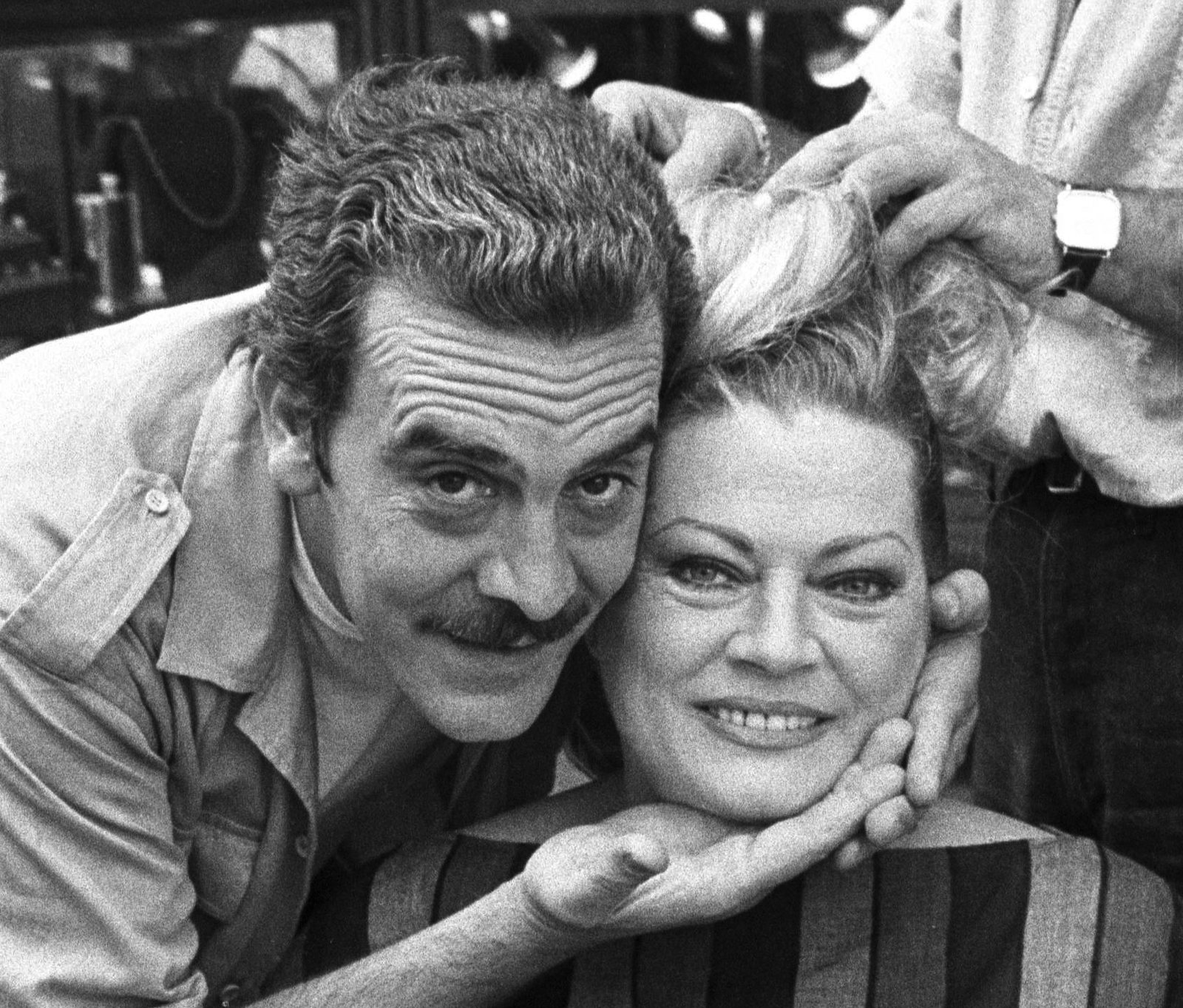
Epilogue: outside the core timeline
Legacy: The Fountain Remembers
Trevi Fountain, Rome · Date uncertain; contributor metadata suggests c. 1980s
Rino Barillari, later dubbed the “King of the Paparazzi,” and himself famously involved in a scuffle with Franco Nero at the Trevi Fountain in 1965, photographed Ekberg revisiting the fountain in a later era. Wikimedia Commons' own file metadata flags the date as uncertain, so this image is presented explicitly outside the 1955–1965 core timeline: an epilogue on how long the Trevi myth outlived the decade that created it.
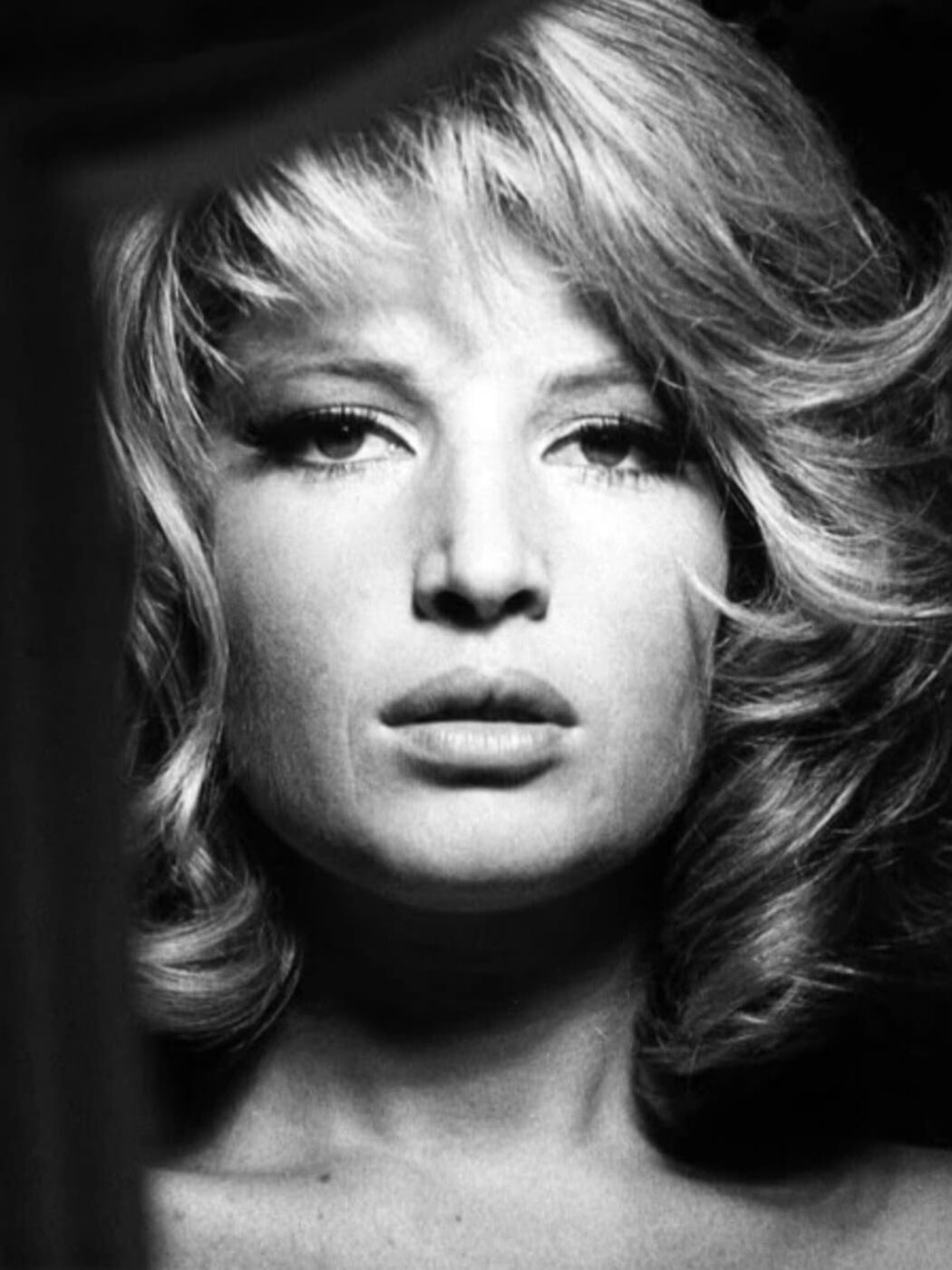
Provenance dossier · supplied image
Likely Anita Ekberg, Attribution Unresolved
The supplied image is consistent with Anita Ekberg and with mid-century studio or publicity portraiture. It should not be presented as a forensic identification or assigned to Praturlon, Secchiaroli, Geppetti, Bud Fraker, André de Dienes, or any other photographer without documentary evidence.
- Depicted person
- Likely Anita Ekberg Moderate–high confidence
- Exact source
- Not identified Unresolved
- Likely era
- Mid-1950s to early 1960s Moderate confidence
- Generated from scratch
- Unlikely Moderate–high confidence
- Later digital enhancement
- Possible Cannot be excluded
Visual assessment
The coherent portrait lighting, plausible hair structure, consistent facial anatomy, print-like grain, and conventional glamour composition favor a scanned or reproduced photograph rather than a wholly synthetic image. Those indicators do not prove provenance: modern denoising, sharpening, enlargement, restoration, or other AI-assisted processing could have been applied to a genuine archival photograph.
Responsible catalog line
Unidentified photographer; portrait likely depicting Anita Ekberg; likely a vintage publicity/studio photograph or later reproduction; exact date, photographer, and original publication unverified.
Evidence needed for stronger attribution
- An uncropped original retaining borders, filename history, metadata, caption text, or watermark.
- The webpage, book, magazine, marketplace listing, or collection from which the file came.
- For a physical print, high-resolution images of the front, full border, and reverse with agency stamps or negative numbers.
- An exact-match reverse-image result from an editorial archive or licensing database.
A Note on Sources & Copyright
Every entry in this archive is dated and sourced from contemporary press records, museum collections, and biographical references, linked inline for verification. Where a date is disputed between primary sources, such as the October 1960 bow-and-arrow confrontation, both attested dates are shown rather than silently choosing one.
Photographs reproduced directly on this page are limited to those in the public domain, openly licensed (Wikimedia Commons, CC), drawn from press archives whose copyright term has lapsed under Italian law for simple photographs, or supplied by the user for provenance analysis. For images still held under active copyright, including key works by Tazio Secchiaroli and Marcello Geppetti held at SFMOMA, MFAH, and MoMA, this archive uses citation cards that credit the photographer and institution and link directly to the holding collection, rather than reproducing the copyrighted image itself.